


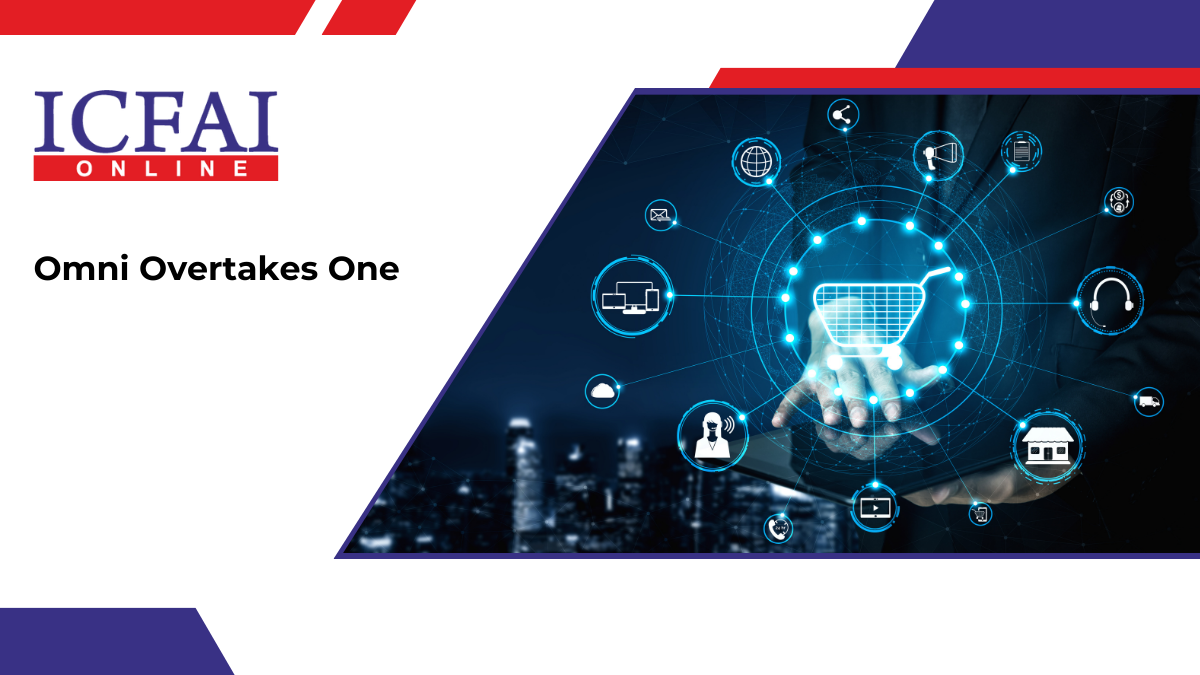
Missing your favourite shade here? no worries!! Scan and connect. We’ll reach it home!! So reads a message inside a fashion store. This simple statement conveys a profound message that links the joy of shopping with omni channel marketing. Incidentally omni channel marketing is a key focus in management curriculum (Online MBA, Online BBA, distance MBA and distance BBA)
Seamless Integration
Omni channel marketing unifies online and offline touchpoints to enhance customer experience. I.e. Customers browse products online, try them in-store, and complete their purchase through their preferred channel.
Multi Vs Omni
Multi-channel and omni-channel marketing may seem similar, but they operate differently.
- Multi-channel: Customers engage with one platform (out of many) at a time, leading to siloed interactions (e.g. calling an airline and completing ticketing through IVR-Uses only telephone).
- Omni-channel: Integrates platforms. (e.g. A customer collects flight details over phone, but completes booking online (integrates two platforms)

Why Omni Wins
By combining digital innovation with traditional operations, the omni-channel makes shopping more immersive:
- Better Customer Experience (CX): Omni-channel prioritizes customer satisfaction unmindful of platforms. For example, Blinkit customer place orders online while raise service queries telephonically.
- Consistent brand message: across the platforms creates distinct identity. For example, Amul keeps their content uniform across channels.
- Integrated Touchpoints: Customer engagement across various touchpoints are integrated. (E.g. Amazon customers
- can initiate shopping with Alexa and complete the purchase on the Amazon app or website or BOPS (Buy Online Pick Up in Store)
- Better KYC (Know Your Customer): Multiple channel interaction provides deeper customer insights (enables personalization)
- Minimizing Time: Customers arriving at the designated Reliance Digital store can go straight to the Click & Reserve counter to pick up their reserved product hassle-free.
Trend Across Industries
While the concept of omni marketing originated in retail, it has now gained traction across many industries like:
- Healthcare: Uses multiple platforms for different needs (e.g. online consultation via apps and receiving reports through email)
- Automobile: Many car buyers research vehicles online before visiting a dealership.
- Banking & Financial Services: Integrates digital and traditional banking for a more customer-centric experience.
Conclusion
An omni channel marketing approach is essential in today’s fast-paced, customer-centric world, but managing an omni channel campaign is dependent on overcoming the challenges like:
- Maintaining message consistency across various channels, segments and campaigns
- Integration of technology used by different platforms which may not be compatible always.
- Synchronizing inventory across platforms like e-commerce or physical stores to avoid stock discrepancies.
- Data generated from diverse sources will be voluminous and diverse. Maintaining accuracy is a challenge
Frequently Asked Questions:
1.What is Omni-Channel Marketing?
Ans: Omni-channel marketing is a strategy that integrates online and offline touchpoints to provide a seamless shopping experience. Customers can browse products online, try them in-store, and complete their purchase through their preferred channel.
2.What is the future of Omni-Channel Marketing?
Ans: As customer expectations evolve, Omni-channel strategies will become more advanced, incorporating AI-driven personalization, real-time inventory management, and deeper data analytics to further enhance customer engagement and business performance.





Leave a Reply